EMERGENCY SERVICE

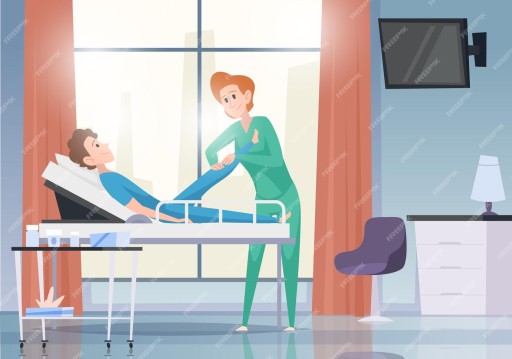
Physiotherapy

Physiotherapy, also known as physical therapy, is a healthcare profession that focuses on helping individuals improve their movement and manage pain through physical methods. Physiotherapists (PTs) work with people of all ages who have medical conditions, illnesses, or injuries that impair their ability to move and function in daily life.Main Goals of Physiotherapy:Pain Relief: Physiotherapy can help reduce pain through manual therapy, exercise, and other techniques.Improve Movement: Restoring mobility and flexibility after an injury, surgery, or illness.Prevent Further Injury: Teaching patients exercises to strengthen muscles, improve posture, and prevent future injuries.Rehabilitation: Assisting patients to regain strength and function after surgery,

Read More

Home Nursing Care Services

Home nursing care refers to medical care provided at a patient's home by trained professionals, typically registered nurses (RNs), licensed practical nurses (LPNs), or nursing assistants. This type of care is aimed at individuals who need medical support but do not require hospitalization. It can be for short-term recovery after surgery or illness, or for long-term management of chronic conditions. Home nursing care can be customized based on the needs of the patient, providing a more comfortable and familiar environment for healing.Types of Home Nursing Care ServicesWound Care: Treatment of surgical or chronic wounds, pressure ulcers, and dressing changes.Medication Management:

Read More

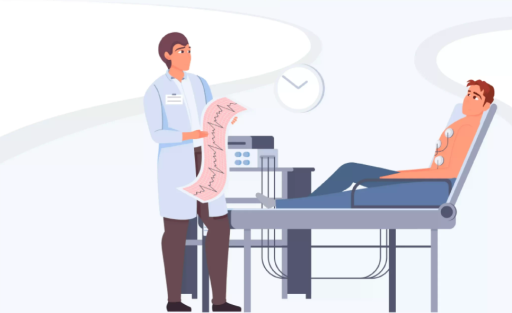
ELECTROCARDIOGRAM (ECG or EKG)

An electrocardiogram (ECG or EKG) is a medical test that measures the electrical activity of the heart over a period of time. It is a non-invasive procedure commonly used to diagnose heart conditions and assess overall heart health.How It Works:The heart generates electrical impulses that trigger each heartbeat. These impulses can be detected through electrodes placed on the skin. The ECG records these electrical signals, providing a visual representation of the heart's rhythm and function.Components of an ECG:P wave: Represents atrial depolarization (the electrical impulse traveling through the atria, leading to their contraction).QRS complex: Represents ventricular depolarization (the electrical impulse

Read More

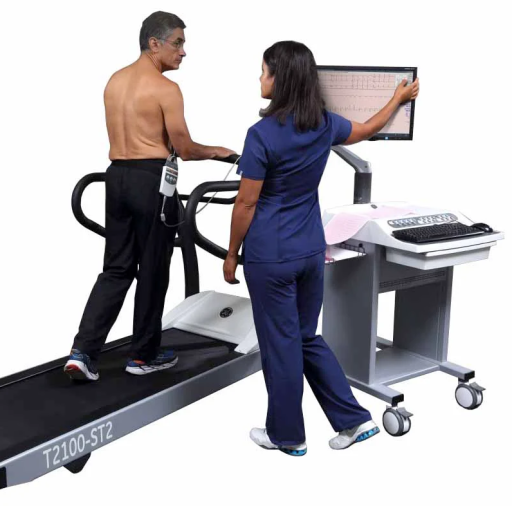
Treadmill Tests

A treadmill test, also known as a stress test or exercise stress test, is a diagnostic procedure used to evaluate how well your heart functions under physical stress. During the test, the patient walks on a treadmill or pedals a stationary bike while heart rate, blood pressure, and electrocardiogram (ECG) readings are continuously monitored.The treadmill test is often used to assess for coronary artery disease, evaluate exercise capacity, or check the effectiveness of heart treatments.Key Purposes:Evaluate Heart Function: To assess how well the heart responds to physical activity. The heart's ability to supply blood and oxygen to the muscles during

Read More

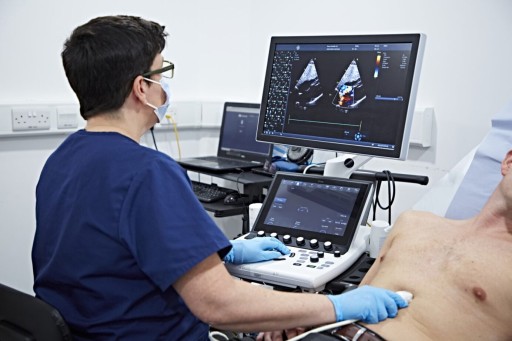
ECHOCARDIOGRAM

An echocardiogram is a medical imaging test that uses sound waves (ultrasound) to create moving pictures of the heart. It provides valuable information about the heart's structure and function. An echocardiogram is commonly used to:Assess Heart Function: It can evaluate how well the heart is pumping blood.Examine the Heart's Chambers and Valves: It checks for any abnormalities such as valve issues, congenital heart defects, or blood clots.Detect Heart Disease: It helps identify conditions like heart failure, heart attacks, or congenital heart defects.Monitor Heart Health: It can be used to monitor patients with known heart conditions or those at risk for

Read More

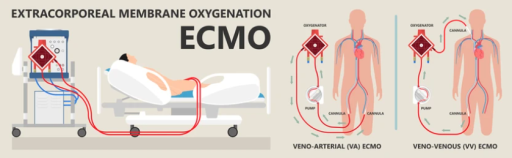
ECMO (Extracorporeal Membrane Oxygenation)

ECMO (Extracorporeal Membrane Oxygenation) is a life-saving intervention used to support patients with severe respiratory and/or cardiac failure. ECMO provides temporary support to the heart and lungs when conventional therapies, such as mechanical ventilation or medications, are no longer sufficient. It acts as a form of cardiopulmonary bypass, taking over the function of the heart and lungs outside the body.Types of ECMO:VA-ECMO (Venoarterial ECMO):Supports both heart and lung function.Blood is drained from the venous system, oxygenated outside the body, and then returned to the arterial system.Used for patients with cardiogenic shock, cardiac arrest, or severe heart failure.VV-ECMO (Venovenous ECMO):Supports only

Read More

Heart Transplant

A heart transplant is a surgical procedure in which a failing or diseased heart is replaced with a healthy heart from a donor. This procedure is typically reserved for patients with end-stage heart failure or other severe heart conditions that cannot be managed through other treatments. Here's an overview of heart transplants:1. When Is a Heart Transplant Needed?A heart transplant is considered when the heart can no longer function adequately, and other treatments, such as medications, lifestyle changes, or surgeries, have failed. Common conditions that may lead to the need for a heart transplant include:End-stage heart failure: A condition where

Read More

Cardiothoracic vascular surgeries

Cardiothoracic vascular surgeries involve operations performed on the heart, lungs, and blood vessels (vascular system) within the chest (thoracic cavity). These surgeries are critical in treating a variety of cardiovascular and thoracic diseases. Here are some common types of cardiothoracic vascular surgeries:1. Coronary Artery Bypass Grafting (CABG)Purpose: To treat coronary artery disease (CAD) where the arteries that supply blood to the heart become blocked or narrowed.Procedure: Healthy blood vessels (often from the leg, chest, or arm) are grafted to bypass the blocked coronary arteries, restoring blood flow to the heart muscle.2. Valve Repair or Replacement SurgeryPurpose: To treat heart valve

Read More

X-ray diagnostics

X-ray diagnostics refers to the use of X-ray technology to diagnose diseases or injuries within the body. X-rays are a type of electromagnetic radiation that can pass through the body, allowing medical professionals to view internal structures such as bones, tissues, and organs.Here's a breakdown of key elements related to X-ray diagnostics:1. How X-ray Diagnostics Work:Radiation Emission: An X-ray machine emits X-rays, which pass through the body and are absorbed at varying rates by different tissues.Imaging: Dense tissues, like bones, absorb more X-rays and appear white on the X-ray film or digital sensor. Less dense tissues, such as muscles and

Read More
Join Gold Membership