EMERGENCY SERVICE

For Safe Labor

If you're looking for advice or tips for a safe delivery, it is important to focus on various aspects to ensure both the mother and baby are safe during childbirth. Here are some general guidelines:1. Pre-Natal Care:Regular Check-ups: Regular visits to a healthcare provider help monitor the progress of pregnancy and identify potential complications early.Prenatal Vitamins: Taking folic acid and other prenatal vitamins is essential for fetal development.Healthy Diet: A balanced diet rich in nutrients, including iron, calcium, and protein, supports both the mother and baby.Hydration: Staying hydrated is crucial during pregnancy to avoid complications like dehydration or urinary tract

Read More

2D, 3D, and 4D ultrasounds

2D, 3D, and 4D ultrasounds are all types of imaging techniques used to view a fetus during pregnancy, each providing different levels of detail and perspectives.1. 2D Ultrasound (Two-Dimensional Ultrasound)Description: This is the most common and traditional form of ultrasound. It creates flat, black-and-white images (cross-sectional images) of the baby in the womb, showing a two-dimensional view of the fetus.How It Works: A probe (transducer) sends out sound waves that bounce off the baby’s tissues and return to the machine, which then processes the signals into an image.Uses: It’s primarily used for determining the baby's size, monitoring growth, checking for

Read More

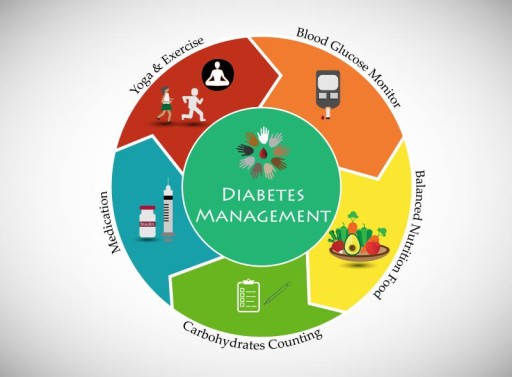
How to Control Diabetics

Managing diabetes involves a combination of lifestyle changes, medication, and regular monitoring. The goal is to keep blood sugar (glucose) levels within a healthy range to avoid complications. Here are key steps to control diabetes:1. Monitor Blood Sugar LevelsCheck blood sugar regularly: Keep track of your blood glucose levels using a glucometer. This helps to understand how food, exercise, and medications affect your blood sugar.Target levels: Your doctor will help set target ranges for fasting and post-meal blood sugar levels.2. Healthy EatingEat a balanced diet: Focus on whole grains, vegetables, lean proteins, and healthy fats.Carb counting: Carbohydrates affect blood sugar

Read More

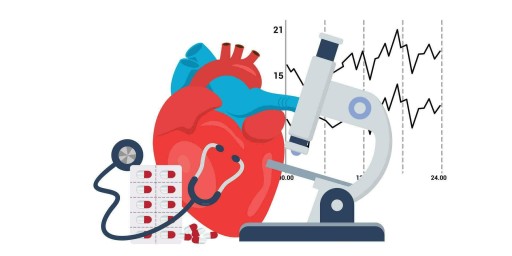
About Cardiology Diagnostics

Cardiology investigations are medical tests used to diagnose and monitor heart conditions. These tests help assess the structure and function of the heart, detect abnormalities, and guide treatment decisions. Here are some common cardiology investigations:1. Electrocardiogram (ECG or EKG)An ECG measures the electrical activity of the heart. It helps diagnose arrhythmias (irregular heartbeats), heart attacks, and other heart conditions. A 12-lead ECG provides a detailed view of the heart's electrical impulses.2. Echocardiogram (Echo)An echocardiogram uses sound waves (ultrasound) to create images of the heart. It evaluates the heart's size, shape, and function, including how well the valves and chambers are

Read More

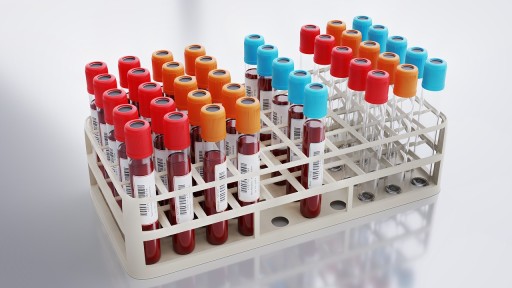
About Laboratory Diagnostics

Laboratory diagnostics refers to the use of various laboratory tests and procedures to detect, diagnose, and monitor diseases or medical conditions. These tests are often used to evaluate the function of organs, identify pathogens, measure levels of substances in the body, and guide treatment decisions. Laboratory diagnostics plays a crucial role in modern medicine, as it provides objective data that complements clinical evaluation.Here are some key aspects of laboratory diagnostics:1. Types of Diagnostic TestsBlood Tests: These tests analyze blood samples to measure levels of various components such as glucose, cholesterol, enzymes, and white blood cells. Common tests include complete blood

Read More

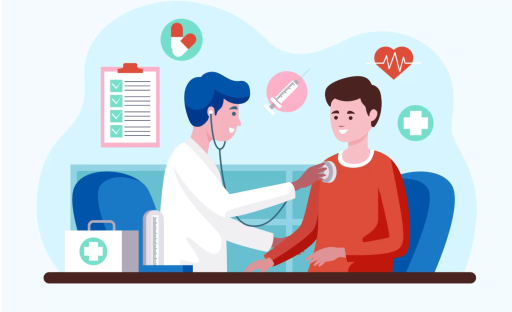
Why Regular Health Check Up is necessary?

Regular health checkups are important because they can:Detect health issues early: Regular checkups can help identify potentially life-threatening conditions before they become serious. Prevent illnesses: Checkups can help you lower your risk of developing medical conditions. Monitor chronic conditions: Regular checkups can help you manage chronic conditions effectively. Reduce healthcare costs: It's generally cheaper to get a preventive checkup than to treat a disease in its advanced stages. Promote a healthy lifestyle: Checkups can provide guidance on lifestyle changes, such as diet and exercise. Update vaccinations: Checkups can include immunizations and updates on new vaccines. Improve your health: Checkups can help you increase your lifespan and improve your overall health. Form a good partnership

Read More
Join Gold Membership